






’24 finalist asks: ‘How do you get better every single day?”
By Richard Osborn
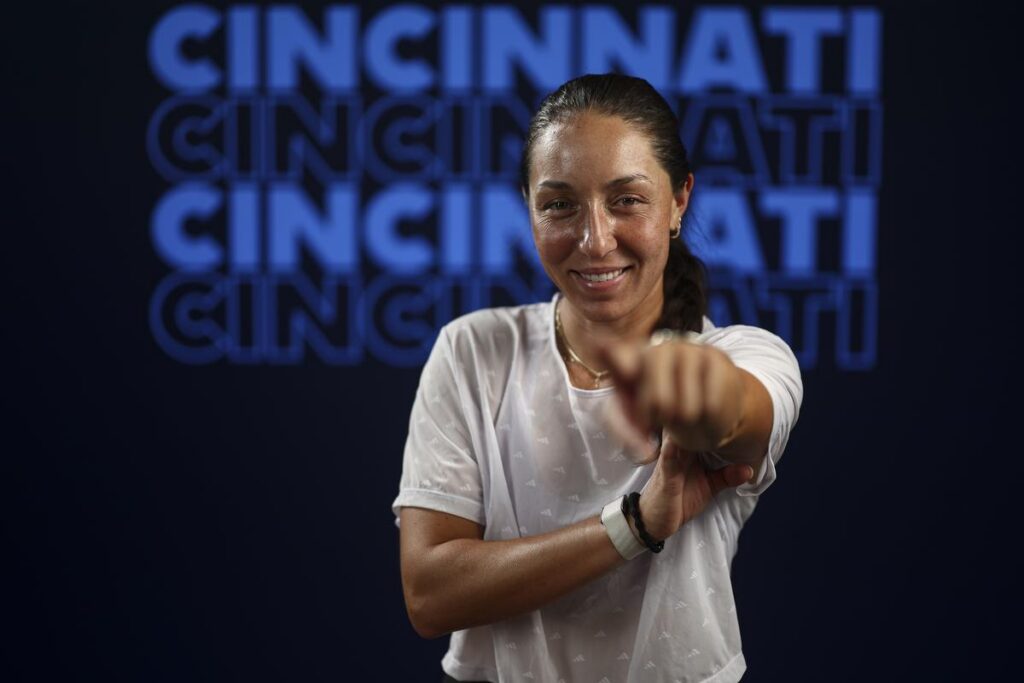
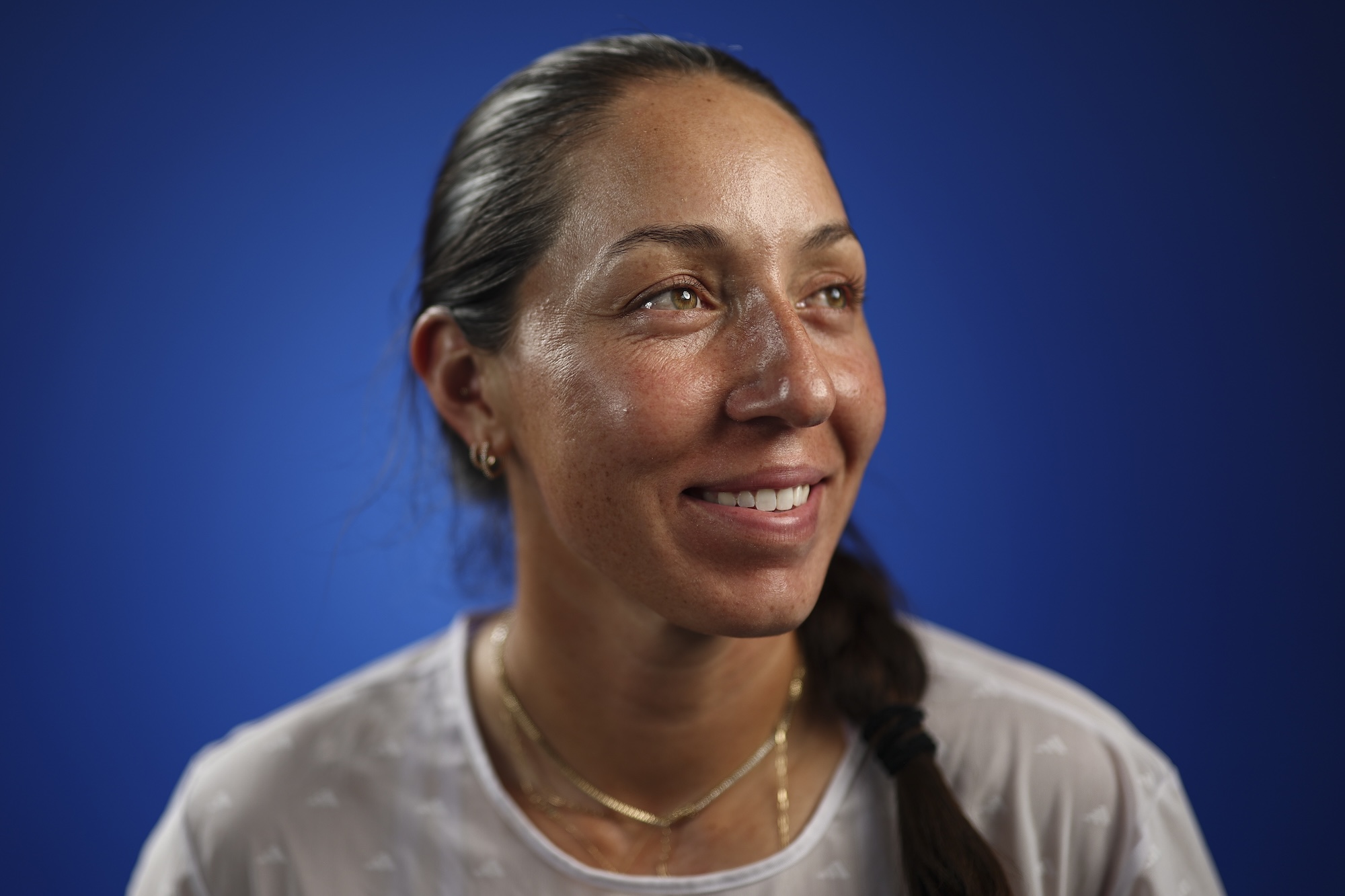
‘Late bloomer’ is how Jessica Pegula is often characterized, even by self-assessment; a player who wasn’t necessarily a touted junior phenom, but one who, nonetheless, developed into an elite competitor.
The term no longer has much relevance, really. Now 32, Pegula, the winner of 11 career tour-level singles titles, a Grand Slam finalist, a Top-10 mainstay the last four years, already bloomed, already flowered, long ago.
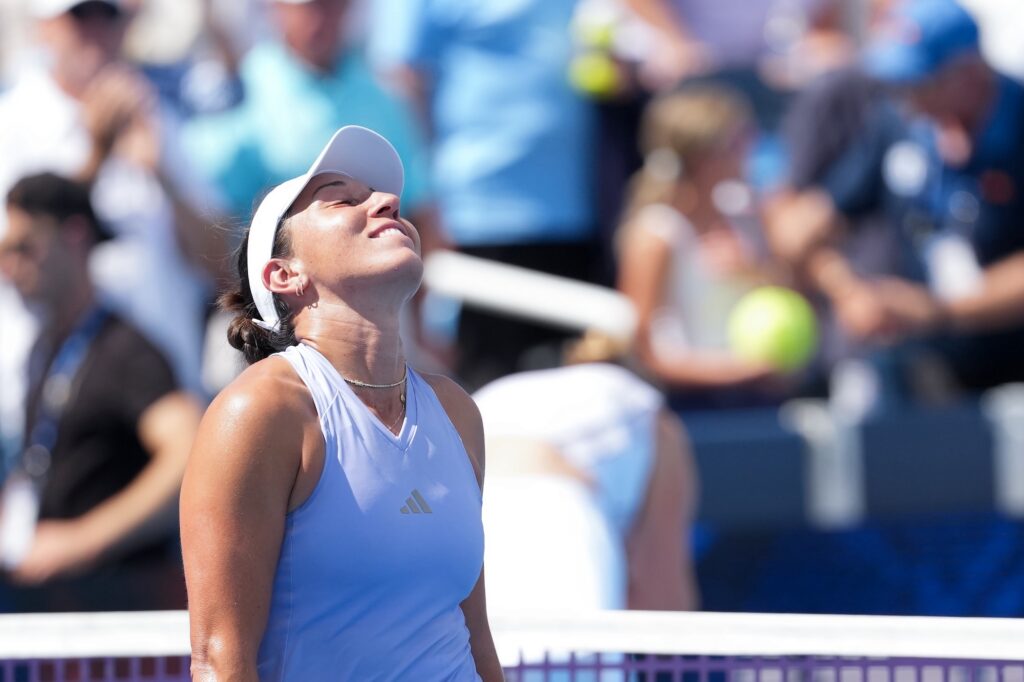
Is there a better way to describe Jessica Pegula circa 2026?
“I think I would describe myself as pretty strategic, someone who’s always open to learning and getting better,” she said. “I think I’m a great ball-striker. I think that I’ve only gotten better even this year. I’ve improved on so many things. So, I think I would just describe myself as a very even-keeled, balanced tennis player. That’s given me a lot of longevity and consistency over the last few years, and I’m able to still put myself in winning positions deep into tournaments.”
That’s one of the real appeals to her livelihood, she says, maybe even above the match wins and the trophies: The learning curve in this sport never really ends. There’s always room for growth, no matter how many years you’ve been at it.
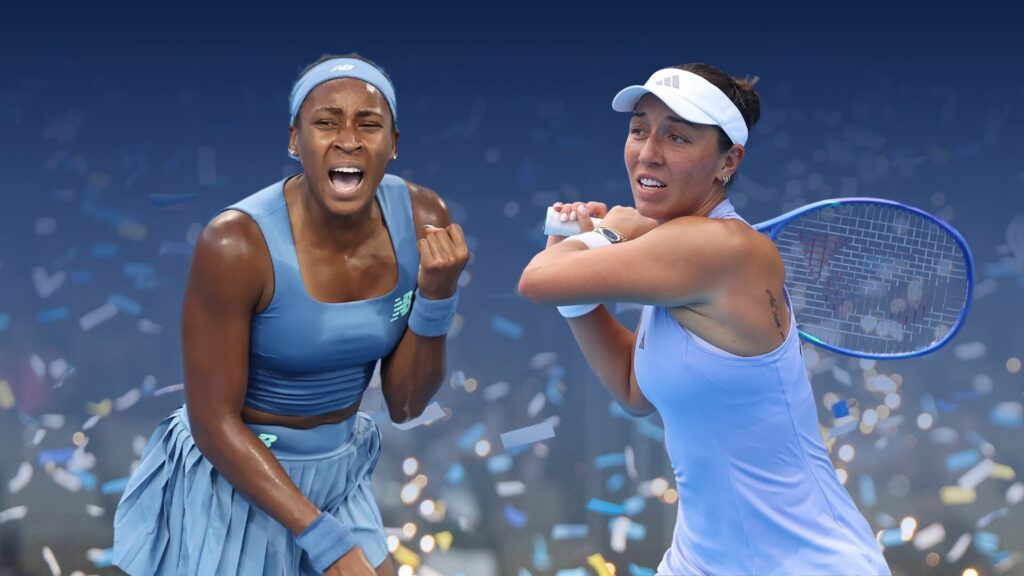
“I mean, that’s what it all is,” said Pegula, one of four Americans to reach the quarterfinals in Cincinnati along with Madison Keys, Coco Gauff and Amanda Anisimova, the first time that’s happened since 1988. “Tennis is such a hard sport. We play so much. Weeks can change so drastically. It’s a tough mindset that you have to keep to be a professional tennis player playing on tour year-round. It’s exhausting. It’s mentally taxing.”
“It’s one of the joys that you have to embrace and have passion for. How do you get better every single day? Because if you’re focused too much on very quick, short-term highs and lows, it gets really hard to manage. I think I’ve been able to change my perspective even over the last few years.”
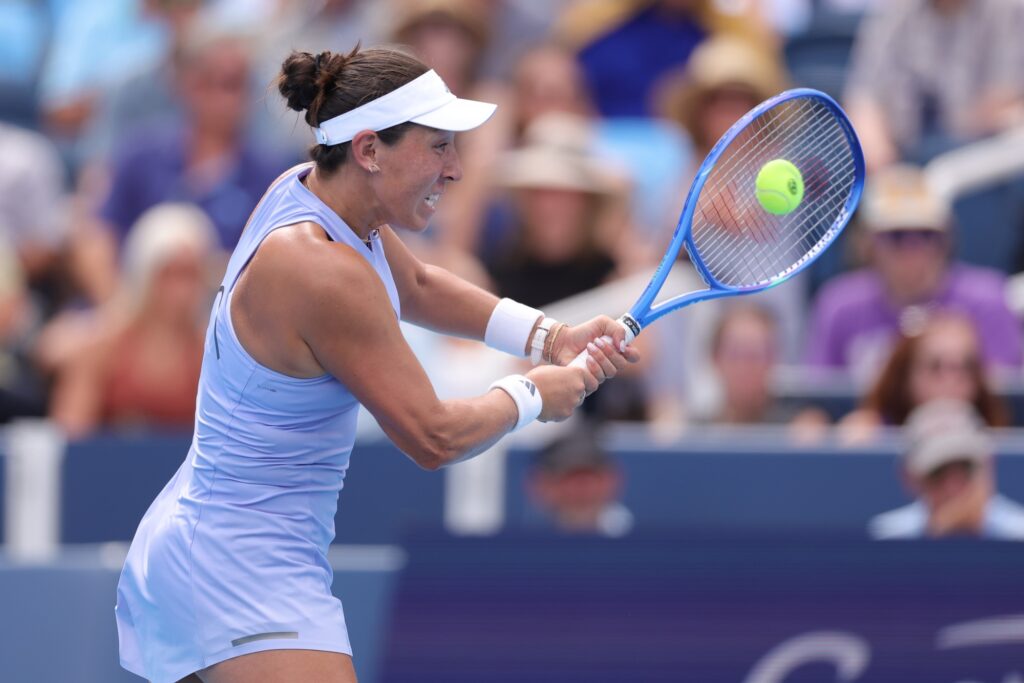
One of the ways Pegula has improved most is her corner-to-corner coverage. Her serve, too, has become an underrated weapon. But her greatest strength might just be the way she can absorb the power of fellow Top-10ers like Aryna Sabalenka and Elena Rybakina, and redirect the ball with purpose.
“That’s been one of my strengths as a tennis player. I have very good hand-eye coordination,” she said. “I used to play baseball and softball, and I could switch hit. I’m a good golfer, I can juggle. I may not be the fastest like Coco, or the most athletic like Iga, but I’ve always thought that was my strength. It’s a lot of hands and timing. And I work on it, as well, out on the court. We work on staying in a rhythm that I can get into, where I feel like I’m playing my best. I don’t know how to really describe it, but I’ve learned over the years how to master and get the most out of that.”
Pegula is sure to call upon that hand-eye coordination in the semifinals against defending Cincinnati Open champion Iga Swiatek, who’s coming off the National Bank Open title in Toronto. They’ve met 12 times, with Swiatek holding a 7-5 edge.







Advertising
Popular
-
Interviews
Iva Jovic, 17, shares parents’ emigration story and ‘menace’ memories
Aug 10, 2025 -
Recap
Top 10 Moments from the 2026 Cincinnati Open
Oct 1, 2026 -
Interviews
Iva Jovic is a different kind of 18-year-old
Aug 18, 2026 -
General
A Tournament to Remember: The 2026 Cincinnati Open by the Numbers
Sep 1, 2026 -
Recap
COCO CLAIMS SECOND CINCINNATI CROWN
Aug 23, 2026