






By Richard Osborn
As fans gather for the third edition of the Cincinnati Open Fan Fest on July 12, homegrown Graeter’s ice cream, Proud Hound lattes and Marty’s Waffles will be among the delicacies of the day. Across the pond, meanwhile, they’ll be polishing off the last of the strawberries and cream and Pimm’s Cups. The off-court fare might differ, but fans in both locales will be tuned into the same match: The 2026 men’s final at the All England Club. But who will be gunning for the trophy? CincinnatiOpen.com looks at five key storylines ahead of the Wimbledon fortnight:
1 | AMERICANS ROUNDING INTO FORM AT RIGHT TIME
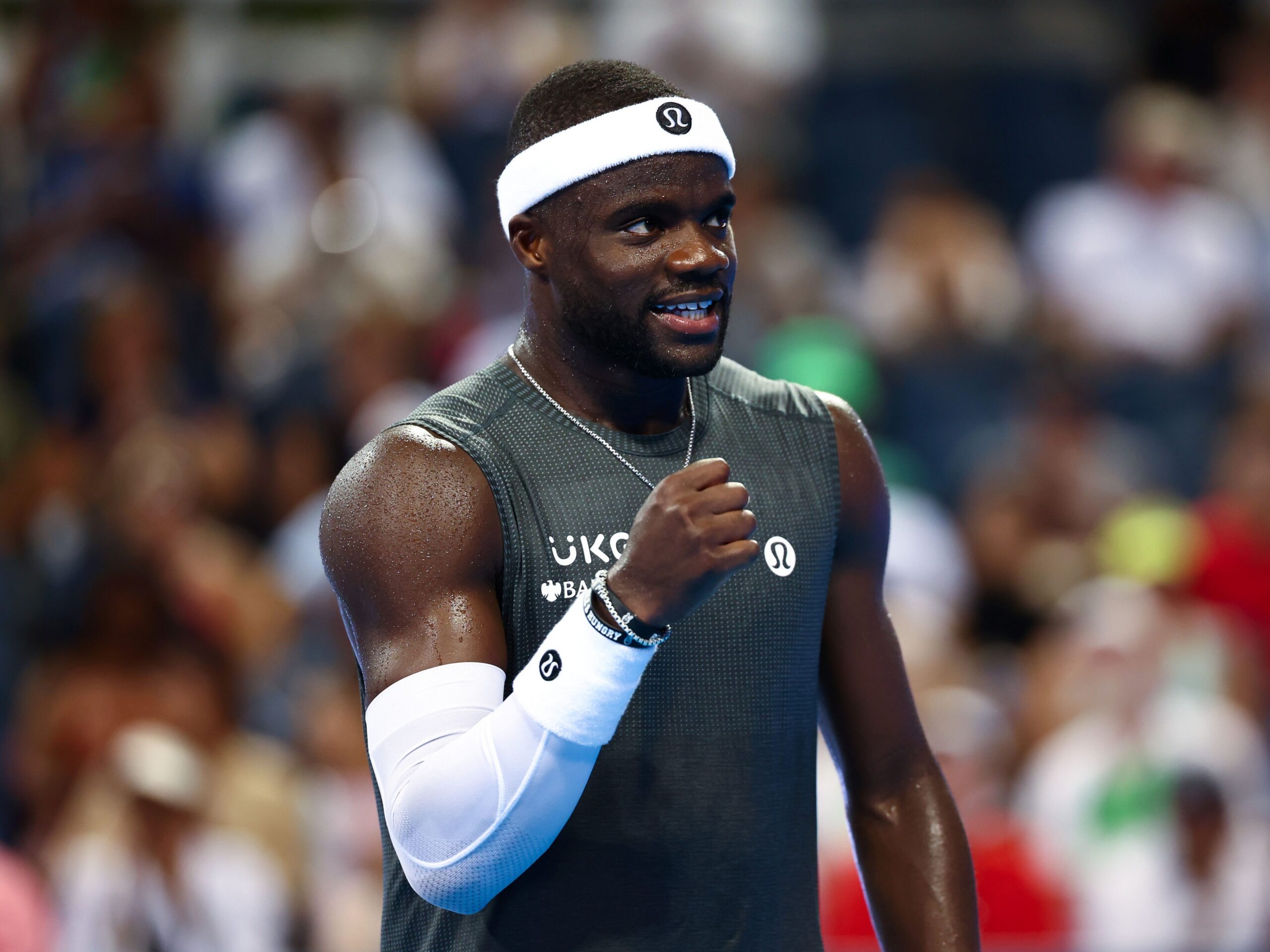
With a tour-best 15 players amongst the Top 100 this week on both the ATP and WTA tours, U.S. tennis is trending upward as we approach the high-point of the grass-court campaign: Wimbledon. Ben Shelton recently became the first man to win titles on all three surfaces in 2026: Dallas (hard), Munich (clay) and Stuttgart (grass). Frances Tiafoe left Halle clutching the biggest trophy of his career, one that came at the ATP 500 level. After sitting out the bulk of the clay season with knee woes, Taylor Fritz reached back-to-back finals on grass. A year after injuries stalled his push into the Top 10, Tommy Paul punched through to the Queen’s Club final.
Jessica Pegula overwhelmed world No. 1 Aryna Sabalenka, 6-4, 6-7(4), 6-0, en route to the final in Berlin. Robin Montgomery claimed her maiden WTA title in ‘s-Hertogenbosch. Emma Navarro is again looking like her elite self after nailing down her first title in 15 months in Strasbourg and reaching the title tilt in Nottingham. If 2023 Cincinnati Open winner Coco Gauff can find her footing at the All England Club (she’s reached the Round of 16 on three occasions), and 2025 Wimbledon runner-up Amanda Anisimova can replicate the form that landed her in her first major singles final a year ago, there should be some serious second-week representation in SW19. “It’s nice to see so many Americans on both the men’s and women’s side making moves,” said ESPN analyst and former world No. 3 Mary Joe Fernandez. “There’s good momentum there. In general, we have a lot of possibilities. I think there’s an opportunity there on both sides.”
2 | A CHAMPION MAKES HER RETURN
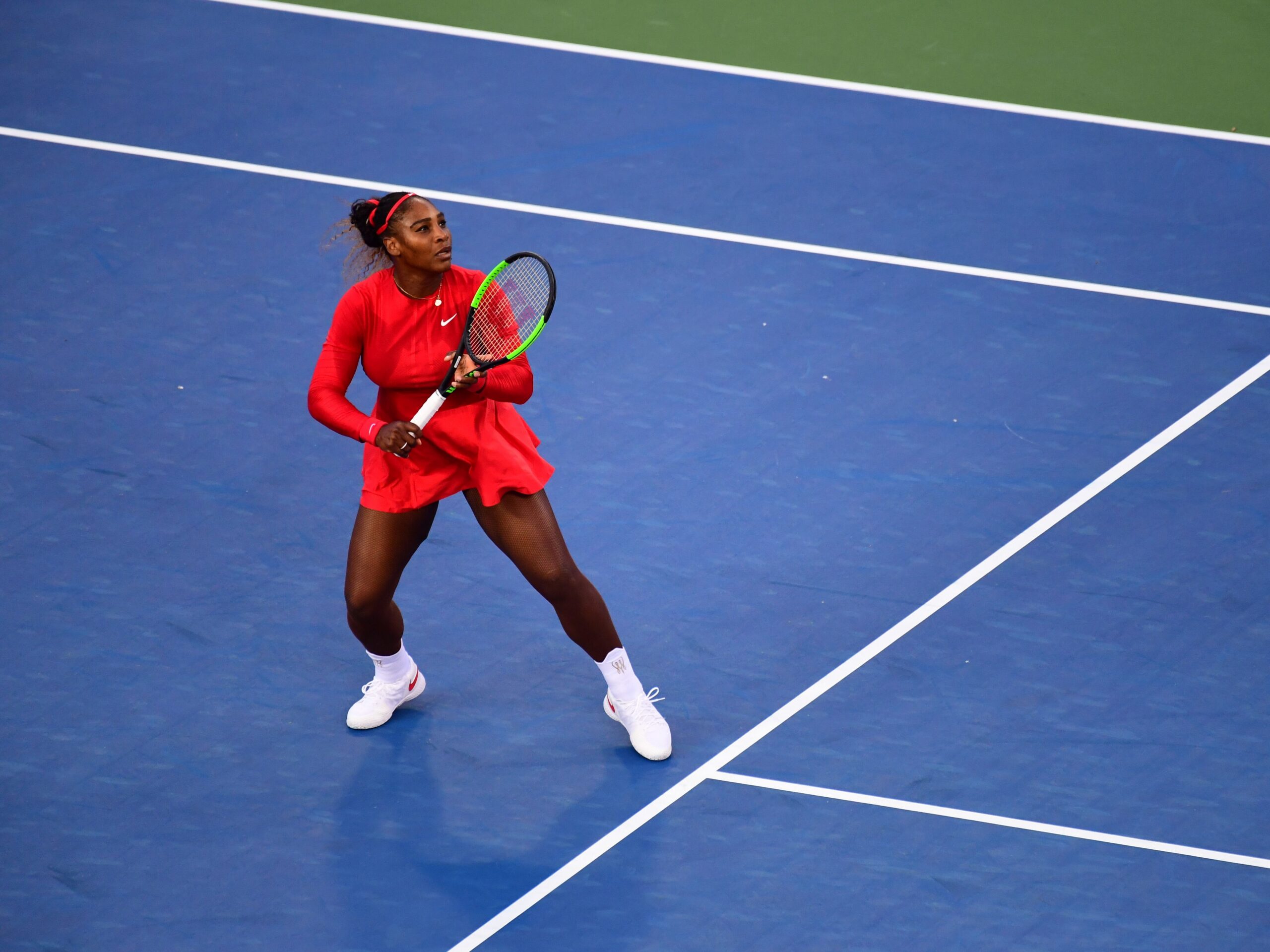
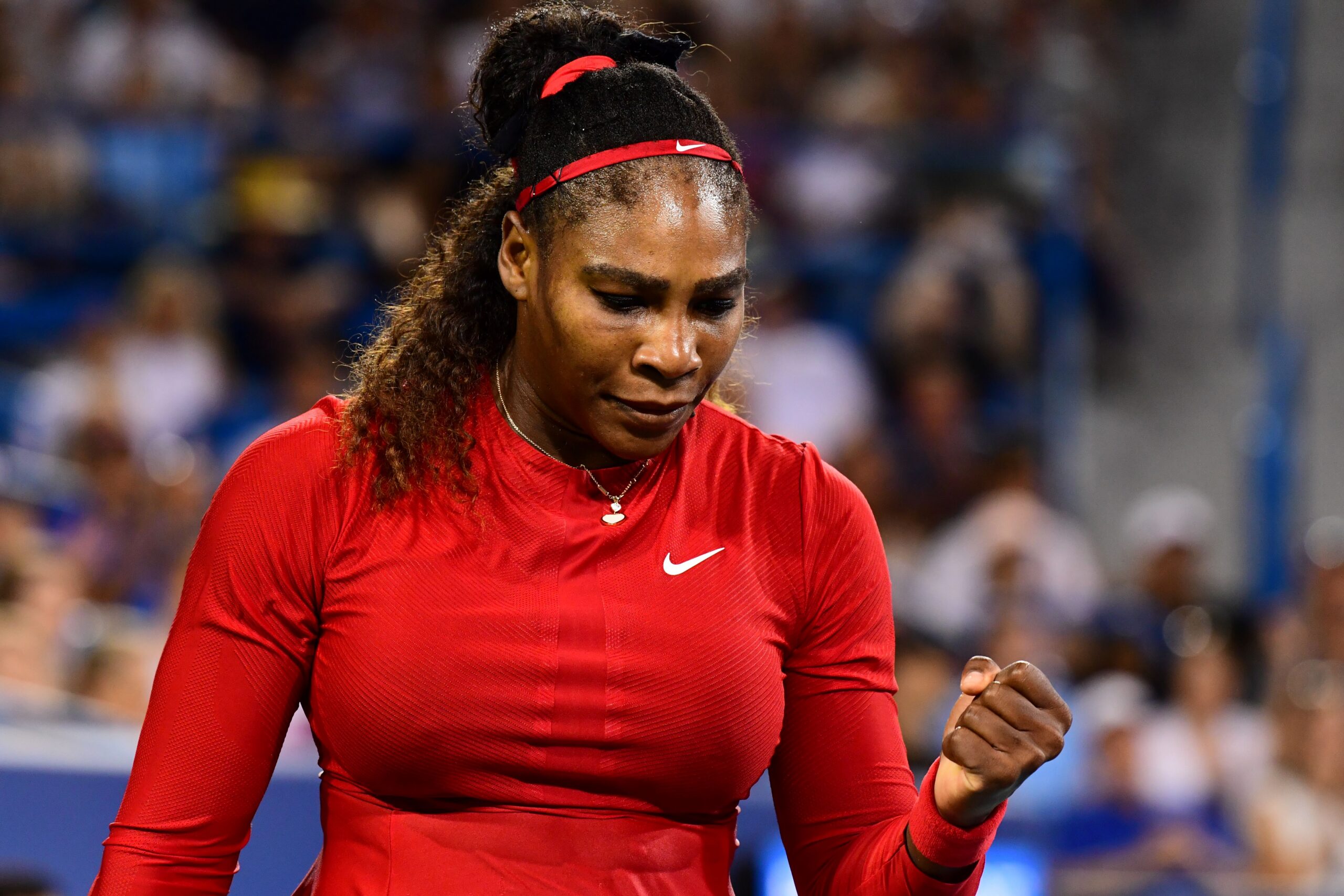
Ending months of Twitter/X/Instagram-ignited speculation, 23-time Grand Slam singles titlist Serena Williams made her return to the sport with a handful of doubles matches in London and Berlin alongside Victoria Mboko and Karolina Muchova. But the splashier news is that she’s set to return the singles court at Wimbledon. (She’ll also play doubles with her sister Venus.) Now four years removed from her last tour-level match — that emotional farewell amidst much pomp and circumstance at the 2022 US Open — the 44-year-old has accepted a wildcard into the main draw at the All England Club, where she has raised the Venus Rosewater Dish on seven occasions. “I would call this Serena being Serena. It’s very Serena like to do something audacious like this,” said ESPN’s Patrick McEnroe on Monday. “I didn’t think for one minute she was coming back just to play doubles. It should be pretty cool, pretty exciting. Hopefully, she’ll be able to be competitive right off the bat.” Williams has long had Hall of Famer Margaret Court’s all-time mark of 24 majors in her sights, but even if the busy mother of two falls short of that number, even if she’s unable to replicate the level she regularly produced during a dominant decades-long stretch, the sport itself will have won with the Open Era’s GOAT once again gracing its courts. “It’s pretty bold, I have to say,” said Mary Joe Fernandez. “I always had an inkling that she would. I didn’t see her just coming back to play doubles. I’m excited to see how she’s playing, how she’s moving, how the serve is firing. That just shows you a sign of confidence that you don’t need matches going into your first tournament back after four years. If anybody can do it, it’s Serena.”
3 | (SUPER) SONIC YOUTH
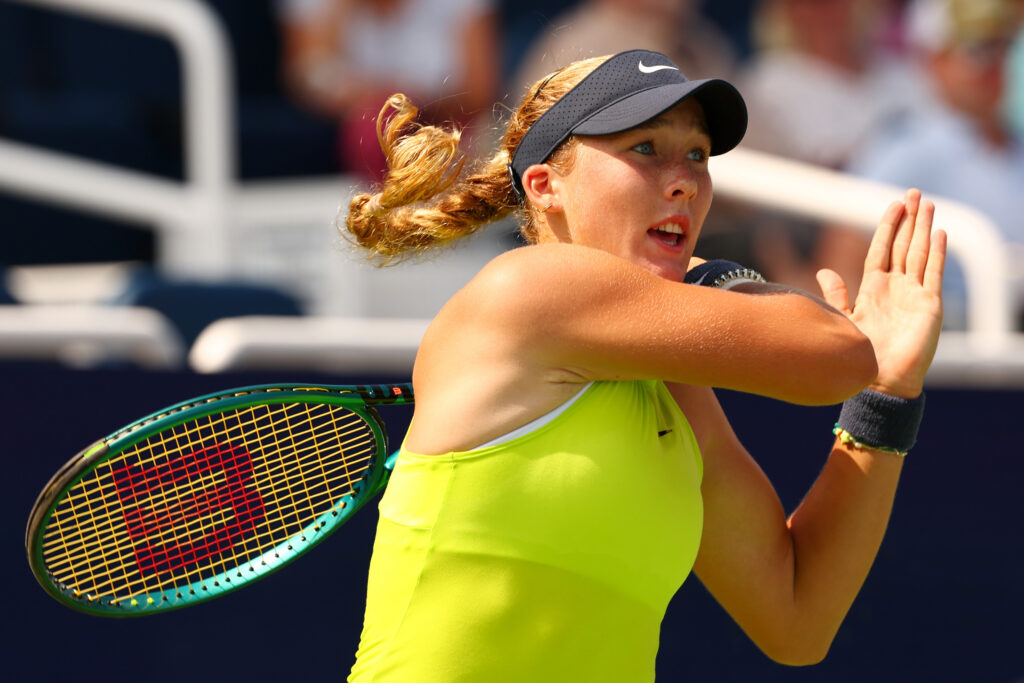
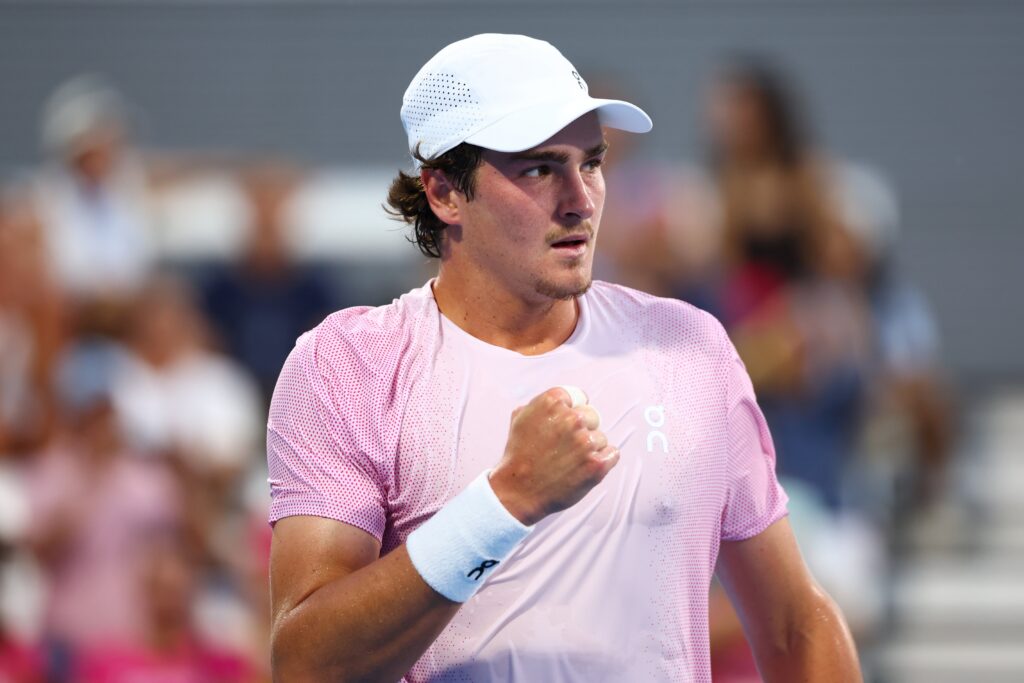
There was a while there when prevailing wisdom told us that tennis players weren’t peaking until their late 20s, that the game had become too physical, too powerful for any teens/early-twentysomethings to top the rankings. While there’s still some truth to that, there’s clearly a youth movement afoot. Nineteen-year-old Mirra Andreeva just became the youngest Roland Garros champion in 34 years. Fellow Top 10er Victoria Mboko, 19, has already reached three finals in 2026 (Adelaide, Doha, Strasbourg). In January, 18-year-old Iva Jovic became the youngest American woman to reach the Australian Open quarterfinals since Venus Williams in 1998. (The Californian topped fifth-ranked Amanda Anisimova earlier this month to reach the semis at the HSBC Championships in London.) The hype is warranted for 19-year-olds Rafael Jodar and Joao Fonseca, who are coming off career breakouts on clay, and American Learner Tien, Czech Jakub Mensik, Spaniard Martin Landaluce and Croat Dino Prizmic — all 20 — continue to make a push in the rankings, as are Filipino powerhouse Alexandra Eala (21) and Berlin titlist Linda Noskova (21). Tien, who last month became the youngest American man to win a European clay-court title (Geneva) since his coach, Michael Chang, won Roland Garros at age 17 in 1989, is especially intriguing. A heady baseliner who picked up the sport on the community courts of Southern California and briefly played at USC, he’s quietly inserted himself into the conversation alongside compatriots Shelton, Fritz, Tiafoe and Paul. “I love his game,” said Mary Joe Fernandez of Tien, recently added to Team World’s Laver Cup lineup. “I think it translates to all surfaces, but I think on grass he’s going to be very good.”
4 | DOES RETURN TO GRASS MEAN RETURN TO ORDER?
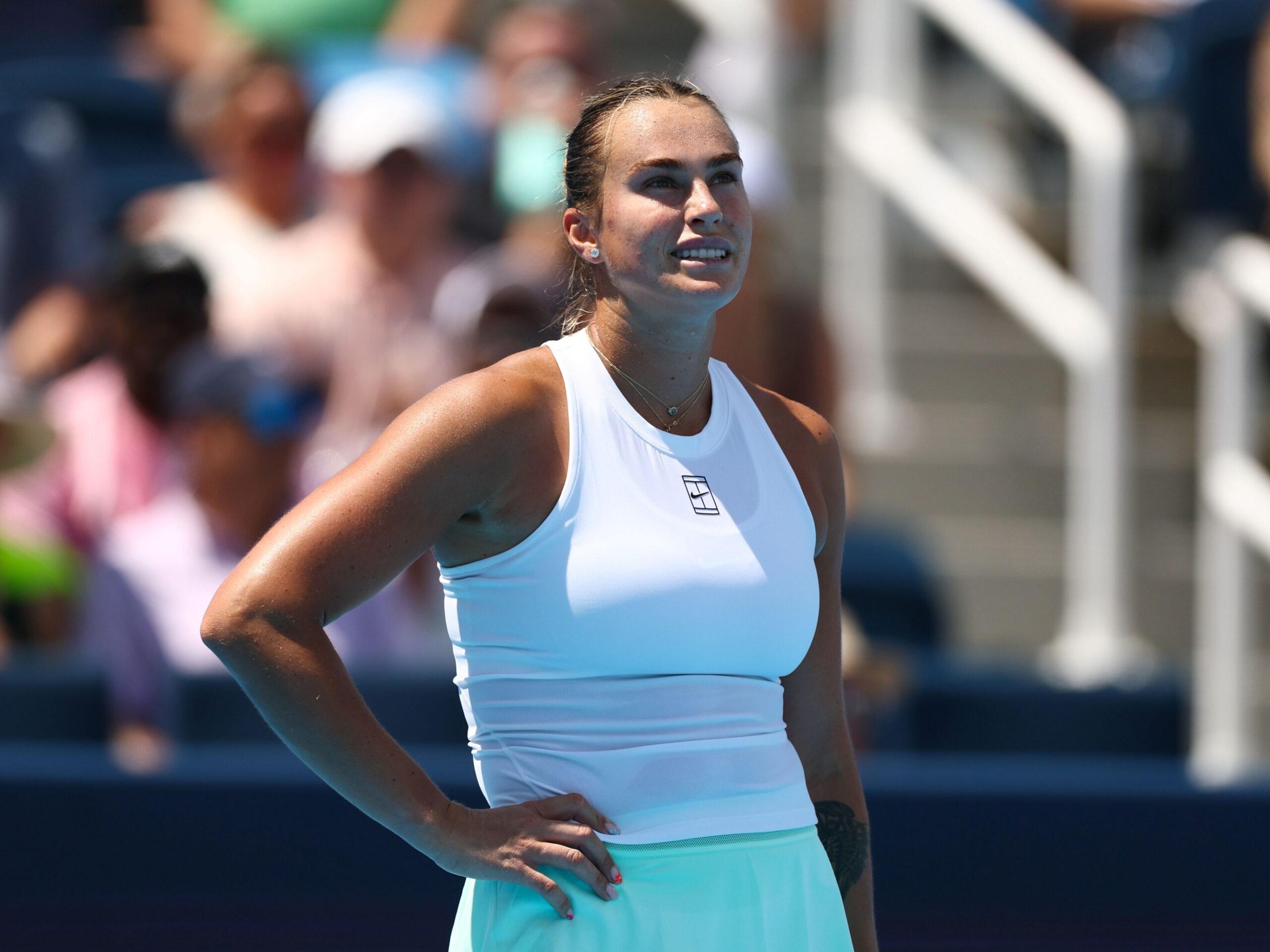
Caution: We’d be wise not to get too caught up in the chaos, the bedlam we witnessed at Roland Garros in 2026: Aryna Sabalenka’s collapse against Diana Shnaider (she led 6-3, 4-1 before dropping 12 of the next 13 games); Jannik Sinner’s meltdown in the extreme heat (he held a commanding 6-3, 6-2, 5-1 advantage before falling to Juan Manuel Cerundolo); the unforeseen breakthroughs of first-time Grand Slam champ Alexander Zverev and the all but unknown Maja Chwalinska, who became just the second women’s qualifier in the Open Era to reach a major singles final. Rafael Nadal and Iga Swiatek aside, the terre battue of Paris has long been fertile ground for a good surprise. Think the all-Argentine Gaudio vs. Coria final of 2004, or one-off champions like Iva Majoli (1997), Anastasia Myskina (2004) and Francesca Schiavone (2010). Wimbledon, with its speedy perennial ryegrass, is a different beast. More often than not, the tournament sticks to the seeding script. That being said, we’ve had a different champion on the women’s side every year since 2016. The last to pull off a repeat? Serena Williams. And with Carlos Alcaraz sidelined with injury; world No. 1 and defending champion Sinner coming in without a single grass-court tune-up; and seven-time titlist Novak Djokovic playing only sparingly, who knows, maybe we’re in for a surprise after all.
5 | WHAT DOES WIMBLEDON SUCCESS MEAN FOR HARD-COURT SWING?
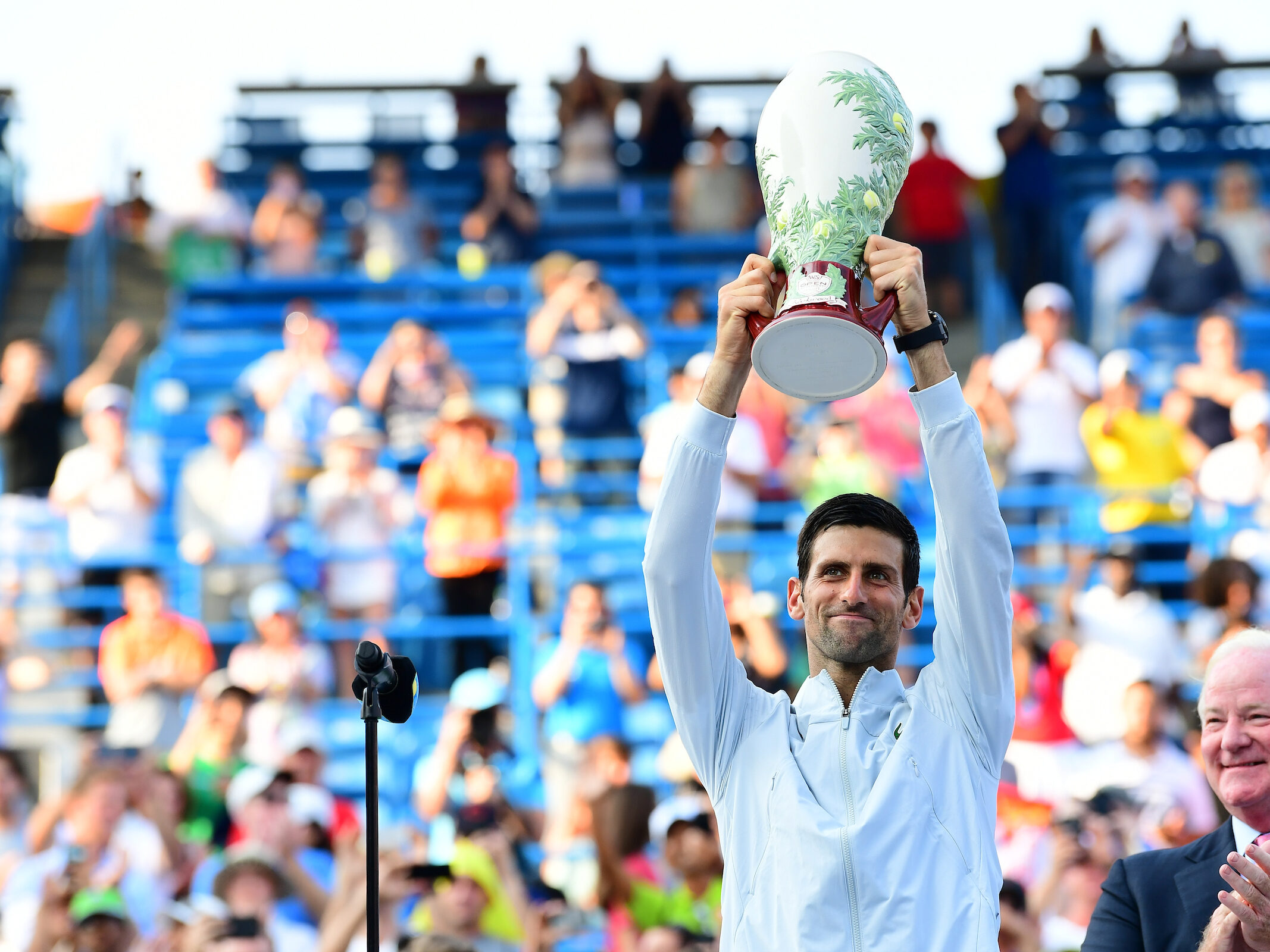
The so-called Transatlantic Double — winning both Wimbledon and the US Open in the same season — has proved a rare feat over the years. In fact, only eight men and 10 women have ever pulled it off. But that doesn’t mean success on grass doesn’t translate to success on cement. The Cincinnati Open is an ideal example. Roger Federer (2012), Garbine Muguruza (2017) and Novak Djokovic (2018) are among those who carried used their Wimbledon momentum to triumph at the Lindner Family Tennis Center, winning titles on both occasions. Perhaps more than anything, it often comes down to how well players’ bodies are holding up three quarters of the way through the Grand Slam cycle; who can stand up to the demands of hard-court tennis. On the most egalitarian of surfaces, who has the energy, the stamina; who can deliver the balance of offense and defense, the controlled aggression that is so essential come the North American summer swing?








Advertising
Popular
-
Interviews
Iva Jovic, 17, shares parents’ emigration story and ‘menace’ memories
Aug 10, 2025 -
Interviews
Iva Jovic is a different kind of 18-year-old
Aug 18, 2026 -
Recap
Top 10 Moments from the 2026 Cincinnati Open
Oct 1, 2026 -
General
A Tournament to Remember: The 2026 Cincinnati Open by the Numbers
Sep 1, 2026 -
Recap
COCO CLAIMS SECOND CINCINNATI CROWN
Aug 23, 2026